

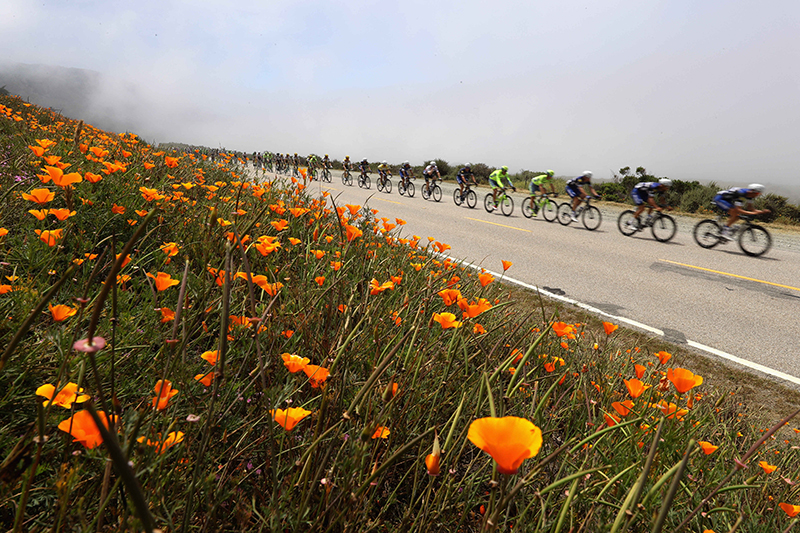



Driving the stretch of Highway 1 through Big Sur, California, is more than a road trip; it is a masterclass in the power of perspective. To the east, the ancient redwood forests reach toward the clouds with a stoic, vertical majesty. To the west, the Pacific Ocean crashes against jagged cliffs in a rhythmic display of raw energy. This iconic stretch of the Pacific Coast Highway encourages travelers to do the unthinkable in our modern, fast-paced world: pull over, turn off the engine, and simply listen.
The journey begins as the suburban sprawl of the Monterey Peninsula fades, replaced by the winding, two-lane ribbon of asphalt that clings to the edge of the continent. For many, the highlight is the Bixby Creek Bridge. Its elegant concrete arch is a testament to human engineering, but it is the scenery it spans that truly captivates. Standing at the overlook, the salt spray hits your face, and the vastness of the horizon seems to stretch the very limits of your vision. It is a place where the ego feels small, and the soul feels expansive.
Further south, the landscape shifts into the heart of Big Sur. Here, the air changes. It becomes cooler, scented with the heady aroma of damp earth, sage, and sea salt. The “Big Sur Spirit” is a real phenomenon—a palpable sense of peace that settles over the region. It is why artists, writers, and seekers have flocked to these cliffs for decades. There is no cell service for long stretches, a technical limitation that serves as a profound gift. Without the constant ping of notifications, the soundtrack of the trip shifts to the bark of sea lions echoing from the coves and the wind whistling through the cypress trees.
One of the most restorative stops is McWay Falls in Julia Pfeiffer Burns State Park. It is one of the few waterfalls in the world that empties directly into the ocean—a “tidefall.” Watching the silver ribbon of water drop eighty feet onto the pristine sands of a turquoise cove is a hypnotic experience. You cannot hike down to the beach; it is a protected sanctuary. This boundary reminds us that some of the world’s most beautiful places are meant to be witnessed and respected, rather than occupied.
As you continue the drive, the road dips and climbs, offering a new “greatest view of your life” around every hairpin turn. You might spot a California Condor soaring on a thermal or, during the winter months, the tell-tale spout of a migrating Gray Whale. These sightings are reminders of the world’s natural rhythms, which continue regardless of our busy schedules or daily stresses.
The trip concludes (or begins) near San Simeon, where the rugged cliffs eventually soften into rolling golden hills. But the feeling of the coast stays with you. The Pacific Coast Highway teaches us that the path itself is the destination. It reminds us that beauty is often found in the places where two worlds meet—the land and the sea, the stillness and the motion. For any traveler looking to hit the “reset” button on their spirit, this coastal escape is a vivid reminder that the world is still vast, wild, and incredibly beautiful.