




WASHINGTON, D.C. – In a historic shift that marks a turning point for the American energy landscape, the U.S. power grid is officially entering its “Greenest Year Ever.” New data released today by the Energy Information Administration (EIA) confirms that 2026 will be the year renewable energy moves from the periphery to the podium, with solar, wind, and battery storage accounting for a staggering 99% of all new electricity generating capacity.
For a nation that has long balanced the scales between traditional fuels and emerging technologies, the 2026 forecast represents more than just a statistical win—it’s a testament to American innovation and a shared commitment to a sustainable future.
The solar surge
Leading the charge is solar energy, which continues its meteoric rise. Across the Sun Belt and beyond, massive utility-scale solar farms are sprouting up, turning vast stretches of land into “harvesting fields” for the sun’s rays.
“We aren’t just seeing growth; we are seeing an evolution,” says Dr. Elena Vance, a senior analyst at the Clean Energy Institute. “The efficiency of photovoltaic cells has reached a point where solar isn’t just the ‘right’ choice for the planet—it’s the most logical choice for the pocketbook. It is now the cheapest form of new electricity in the history of the United States.”
From the deserts of Arizona to the rolling hills of North Carolina, solar panels are being deployed at a pace never seen before. In 2025, renewables already made up 88% of new capacity. The jump to 99% in 2026 signifies that the infrastructure and investment are finally in total alignment.
Wind: The invisible workhorse
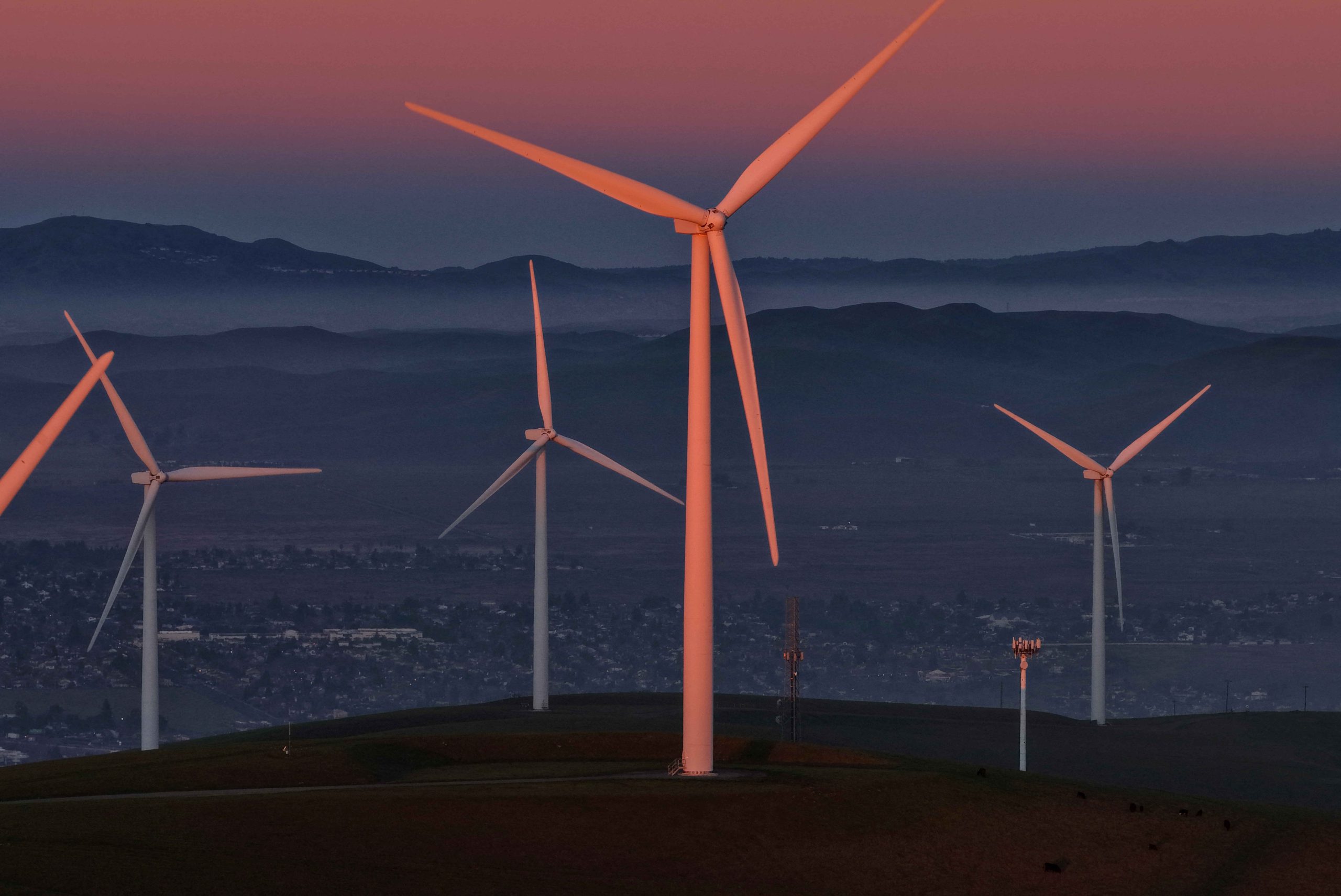
While solar captures the headlines with its gleaming panels, wind energy remains the steady, invisible workhorse of the American heartland. Coastal states are also joining the fray, with offshore wind projects finally reaching completion. These “sea-based giants” are tapping into the consistent, powerful breezes of the Atlantic and Pacific, providing a stable flow of power to dense coastal cities.
In states like Iowa and South-Dakota, where wind turbines have long been part of the skyline, the economic benefits are tangible. Farmers who lease their land for turbines are seeing a “new kind of crop”—one that isn’t dependent on rain or soil quality, but on the very air itself. This “wind-fall” of income is revitalizing rural communities, funding new school wings, and paving roads.
The battery revolution: Solving the “after dark” problem
Perhaps the most inspiring part of the 2026 data is the role of battery storage. For years, critics of renewable energy pointed to the “intermittency problem”—the simple fact that the sun sets and the wind occasionally stops blowing.
Enter the “Battery Boom.” Of the new capacity planned for this year, massive battery storage systems represent a critical piece of the puzzle. These systems act like a giant “save button” for the grid, soaking up excess energy during peak production hours and releasing it precisely when it’s needed most.
“Batteries are the glue holding our new grid together,” explains Sarah Jenkins, an engineer at a leading storage facility in Texas. “We’ve solved the reliability question. We can now bottle the sunshine and use it at midnight.”
A community-driven future
What makes this transition truly special isn’t just the technology—it’s the people. Small towns across the country are seeing a surge in “green-collar” jobs. From technicians who climb 300-foot turbines to software developers managing smart-grid AI, a new generation of American workers is finding purpose in building the future.
Furthermore, the environmental benefits are already being felt. Cleaner air and reduced water usage for power plant cooling are leading to healthier local ecosystems. In vacation spots and national parks, the shift toward quiet, emission-free energy means that the natural beauty tourists flock to see remains pristine for generations to come.
The path ahead
As we look toward the remainder of 2026, the message is clear: America is no longer just dreaming of a clean energy future; we are living in it. The transition is being driven by a rare harmony of economic sense, technological prowess, and a collective desire to leave the world better than we found it.
For the readers of our vacation-style newspaper, this news serves as the ultimate “good vibe.” Whether you’re charging your electric car for a cross-country road trip or simply enjoying the hum of an air conditioner powered by the afternoon sun, you can rest easy knowing that the light at the end of the tunnel is powered by the cleanest sources on Earth.