

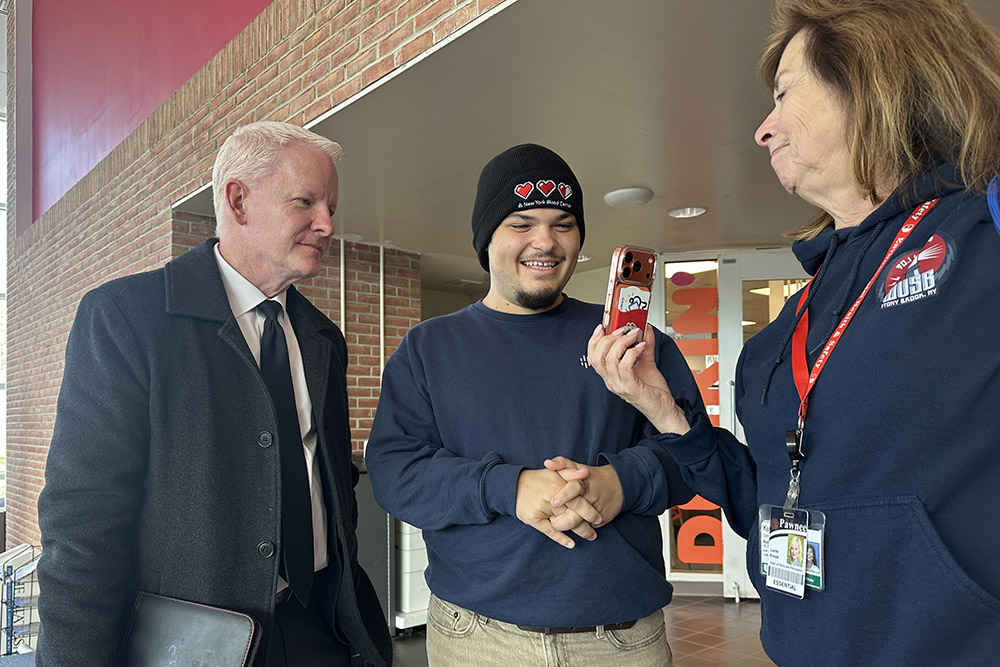




FOTO X STONY BROOK, NY – In an era where headlines are often dominated by division, the students of Stony Brook University are proving that the simplest act of human kindness—rolling up a sleeve—can spark a movement. This week, the University’s student-led donation teams received national recognition for their extraordinary commitment to community health, marking a milestone in a campaign that has saved thousands of lives across the Tri-State area.
The accolade comes at a critical time. For years, blood centers across the United States have struggled with “donor fatigue” and a dwindling youth donor base. However, the Stony Brook Seawolves have bucked that trend, transforming the campus into one of the most prolific blood donation hubs in the country.
A culture of giving
The success of the program isn’t just about the number of pints collected; it’s about a fundamental shift in campus culture. What began as a series of small, intermittent drives has evolved into a sophisticated, year-round operation.
“We didn’t want blood donation to be something students did once a year for a free t-shirt,” says Marcus Chen, a senior biology major and one of the lead organizers. “We wanted it to be part of what it means to be a Seawolf. When you see your roommate, your professor, and your coach all heading to the Student Union to donate, it becomes a social norm. It becomes an act of solidarity.”
The student groups leveraged social media, peer-to-peer outreach, and friendly competitions between dorms and athletic teams to keep momentum high. By “gamifying” the process, they managed to break down the intimidation factor often associated with needles and clinical settings.
The impact on the front lines
While the recognition is a point of pride for the university, the real-world impact is felt miles away in hospital trauma centers and oncology wards. According to the New York Blood Center, a single donation can save up to three lives. At Stony Brook, the sheer volume of participation has provided a vital cushion for local hospitals during seasonal shortages.
Dr. Elena Rodriguez, a hematologist at a nearby regional hospital, emphasized the importance of the student contribution. “In emergency medicine, time is our greatest enemy. Having a stable, reliable supply of blood products—especially O-negative—is the difference between life and death. These students aren’t just hitting a quota; they are literally providing the fuel for our life-saving interventions.”
The national award specifically highlighted the students’ ability to mobilize during “crisis windows”—periods like the winter holidays or spring break when donations typically plummet. The Stony Brook teams organized “Power Drives” during these windows, ensuring that the supply remained steady when patients needed it most.
Empowerment and leadership
Beyond the medical benefits, the program has served as a leadership incubator. Managing a high-volume blood drive requires logistical precision: coordinating with medical professionals, managing thousands of appointments, and ensuring donor safety and comfort.
For many of the student organizers, the experience has been transformative. “I came here wanting to be a doctor to help people in the future,” says Sarah Jenkins, a sophomore volunteer. “But through these drives, I realized I don’t have to wait for a degree to make a difference. I’m helping people right now. It has given me a sense of agency that I didn’t know I had.”
This sense of empowerment is exactly what the national selection committee cited when choosing Stony Brook for the honor. They noted that the Seawolves’ model serves as a “blueprint for youth engagement,” proving that Gen Z is ready and willing to tackle public health challenges when given the platform to lead.
Looking ahead
The recognition has only fueled the students’ ambitions. Plans are already in motion to expand the program to include bone marrow registry drives and educational seminars on the importance of plasma donation. The goal is to create a “lifecycle of giving” that follows students long after they graduate.
As the campus celebrates this week, the message from the Student Union is clear: the award belongs to every student who took twenty minutes out of their day to sit in a donor chair.
“This trophy is great for the display case,” Chen says, looking over a bustling afternoon drive. “But the real reward is knowing that somewhere out there, a family is going home together because of what happened in this room today. That’s the only headline that matters.”