
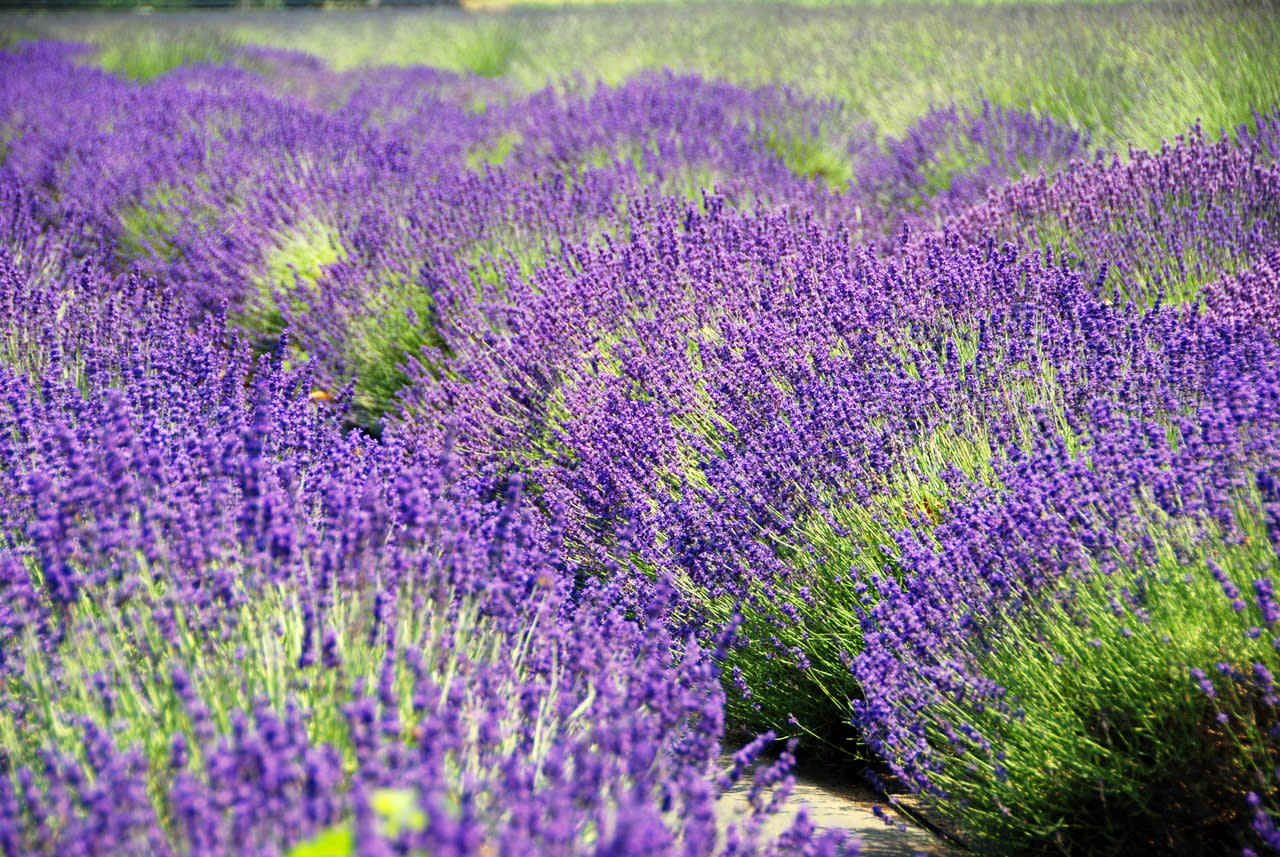



EAST MARION, N.Y. — Long before “farm-to-table” was a marketing slogan and decades before social media made flower fields a viral sensation, there was the smell. It is a scent that defies the salty Atlantic breeze: clean, herbal, and impossibly sweet. It is the scent of the Sergejko family’s lavender farm, a purple-hued sanctuary on the edge of Long Island that this week celebrates an improbable 100 years of operation.
As the farm prepares for its centennial “Scent of Summer” festival, the rows of Lavandula angustifolia stand as more than just a crop. They are a living map of the American Dream, rooted in the soil by a Ukrainian immigrant who arrived in 1922 with little more than a handful of seeds and a refusal to fail.
“My grandfather didn’t come here to be a pioneer of ‘wellness’ or ‘agro-tourism,’” says Andre Sergejko, the third-generation owner now overseeing the estate. “He came here because the soil reminded him of home. He planted lavender because it was hardy, it was useful, and it reminded him that beauty can survive even the harshest winters.”
The farm’s journey from a humble 10-acre plot to a world-renowned destination was anything but guaranteed. In the 1940s, the land was nearly lost to the war effort; in the 1980s, developers offered millions to turn the purple fields into luxury condos. Each time, the family held firm. Today, the farm remains one of the oldest continuously operating lavender estates in the United States.
What makes the 100-year milestone particularly poignant is the farm’s evolution. In its early days, the lavender was sold primarily for its antiseptic properties and as a moth repellent for linens. Today, it serves a modern world desperate for a moment of quiet. Visitors travel from across the tri-state area and beyond—including a growing number of Caribbean tourists looking for a temperate escape—to walk the “Labyrinth of Lilac,” a geometric garden designed for meditation.
“We live in a loud, digital world,” Andre says, gesturing to a field where bees hum in a rhythmic, low-frequency chorus. “People come here to turn off their phones. You can’t rush a lavender bloom. It happens when it’s ready. There’s a lesson in that for all of us.”
The centennial celebrations, which kick off this weekend, will feature more than just scenic views. The farm has partnered with local artisans to produce limited-edition oils, honey, and even a lavender-infused lemonade that has become a cult favorite among locals. There are also plans to unveil a commemorative bronze plaque honoring the original founder, Stefan Sergejko, whose portrait still hangs in the drying barn.
However, the legacy isn’t just about looking backward. The family has spent the last decade adapting to a changing climate, implementing innovative water-conservation techniques that have made the farm a model for sustainable agriculture in the Northeast. They are also launching a scholarship program for young immigrant farmers, ensuring the “American Dream” that started here in 1922 continues for the next century.
As the sun sets over the East End, casting a golden light that turns the purple stalks into shimmering velvet, it’s easy to see why the Sergejko family stayed. In a world that often feels like it’s moving too fast, this 100-year-old farm is a reminder that some things—the best things—take time to grow.
“One hundred years is just the beginning,” Andre laughs, tucking a stray sprig of English lavender behind his ear. “The soil is healthy, the bees are happy, and the world still needs a place to breathe.”