




LOUISVILLE, KY — For the better part of a decade, the typical American high school hallway during passing periods or lunch was a study in digital isolation. The traditional cacophony of teenage life had been replaced by a ghostly silence, broken only by the mechanical hum of lockers and the soft, rhythmic tapping of thumbs on glass. Students moved in “digital bubbles,” their attention tethered to TikTok algorithms and group chats.
However, at Ballard High School in Kentucky, a different sound has returned this year: the audible rustle of turning pages, the scraping of chairs as students huddle over shared texts, and a lively, decibel-shattering hum of students actually talking to one another.
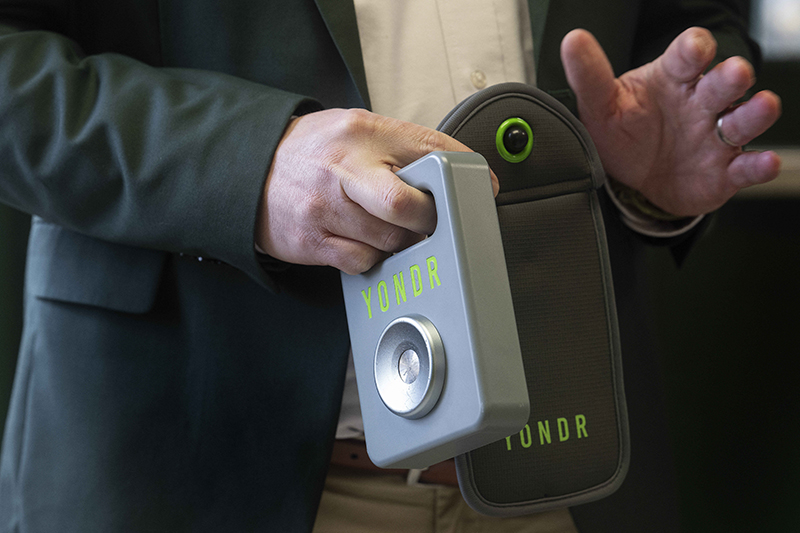
Following a strict “bell-to-bell” cellphone ban implemented for the 2025-2026 school year, schools in the Jefferson County Public Schools (JCPS) district are reporting a stunning and largely unforeseen side effect: a massive surge in student literacy and library engagement. It appears that when the digital world is stripped away, students are hungry for a different kind of connection—one found in the stacks of their school libraries.
The “Ballard effect”
At Ballard High School, the transformation was almost immediate. Within the first month of the ban, library book checkouts skyrocketed by 67% compared to the same period the previous year. In August 2025 alone, students borrowed 891 books, up from 533 the year before. This isn’t just a minor statistical blip; it represents a fundamental shift in how students occupy their downtime.
“They weren’t talking to me about books before because their heads were always down,” said Stephanie Conrad, Ballard’s veteran librarian. “Now, I’m having those deep, meaningful conversations again—about genres they like, authors they’ve discovered on their own, or recommendations for their friends. It’s like they’ve rediscovered the library as a destination rather than just a place to charge their phones.”
The trend isn’t isolated to a single campus. Across the district, the numbers tell a consistent story of a “literacy renaissance” born out of boredom and the need for engagement: Waggener High School: Recorded 1,069 checkouts in August, a staggering jump from just 232 the previous year.
Central High School: Saw 857 checkouts, more than doubling its previous August total of 341.
Butler High School: Reported that 40% of its entire student body currently has a book checked out—double the engagement rate of the entire previous school year combined.
A growing national movement
The success in Kentucky arrives as a massive policy shift sweeps across the United States. As of early 2026, nearly 37 states have passed laws or issued formal guidance requiring districts to curb phone usage to combat “digital distraction” and rising rates of cyberbullying. According to the latest data from the National Center for Education Statistics (NCES), roughly 77% of U.S. public schools now prohibit non-academic phone use during school hours.
The push for these policies gained momentum after a series of alarming reports. Last year, 53% of school leaders reported that mobile devices were actively harming academic performance and contributing to a “crisis of attention.” While the initial goal was simply to improve focus in the classroom, the extracurricular benefits—specifically in reading—have caught many educators by surprise.
Early research from the National Bureau of Economic Research supports this anecdotal evidence, linking “bell-to-bell” bans not only to modest gains in standardized test scores but also to a marked reduction in unexcused absences and disciplinary referrals. When the distraction of the “infinite scroll” is removed, students are forced to engage with their physical environment.
Reclaiming the “third space”
Beyond the raw data of book checkouts, educators say the bans are restoring the social and intellectual fabric of the school day. The library has transitioned from a quiet tech-charging station back into a “third space”—a communal area for intellectual exploration.
“What I have found is that kids are rediscovering the library… we’re turning from phones to pages,” said Dr. Lynn Reynolds, JCPS Executive Director of Library Media Services. “We are seeing students pick up physical books not because they have to for an assignment, but because they have twenty minutes of free time and they want to be immersed in a story.”
While the policy initially faced pushback from parents concerned about emergency contact, many have been won over by the visible shift in their children’s habits. Parents report seeing their teens reading at home more frequently and expressing less anxiety related to social media “FOMO” (fear of missing out). Instead of “phubbing” (phone snubbing) each other at lunch, students are reportedly playing board games, socializing, and—most importantly—reading for pleasure.
As districts nationwide look for ways to reverse pandemic-era literacy declines, the “Kentucky model” suggests that the most effective tool for improving reading might not be an expensive new app or adaptive software, but simply creating the quiet, focused space for a physical book to compete for a student’s attention. By silencing the pings and notifications, schools are allowing the voices of authors to be heard once again.