




ST. LOUIS – Inside the climate-controlled corridors of the Danforth Plant Science Center, the future of the American dinner plate is being rewritten. While the outside world grapples with record-breaking heatwaves and unpredictable rainfall, a team of researchers has announced a breakthrough that could ensure the survival of the country’s most essential fruits and vegetables.
The project, colloquially known as “Future-Proofing,” represents a monumental shift in agricultural science. For decades, the goal of industrial farming was “yield at all costs.” Today, the mission has shifted toward resilience.
The end of the “Goldilocks” era
For over a century, U.S. agriculture has relied on a “Goldilocks” climate—not too hot, not too dry, and remarkably predictable. However, as shifting weather patterns disrupt traditional growing seasons in the Central Valley of California and the Florida citrus groves, farmers have faced a grim reality: the crops that built the American economy are no longer suited for the American environment.
“We are essentially teaching plants how to handle stress,” says Dr. Elena Rodriguez, the lead geneticist on the project. “It’s not just about surviving a heatwave; it’s about thriving in a world where the rules of nature are changing every single week.”
Decoding the genetic shield
The breakthrough centers on a process called epigenetic priming. Unlike traditional GMOs, which involve inserting foreign DNA, this technique essentially “tunes” the plant’s existing genes. By exposed seeds to specific, non-lethal environmental stressors in a controlled setting, scientists can activate “dormant” survival traits.
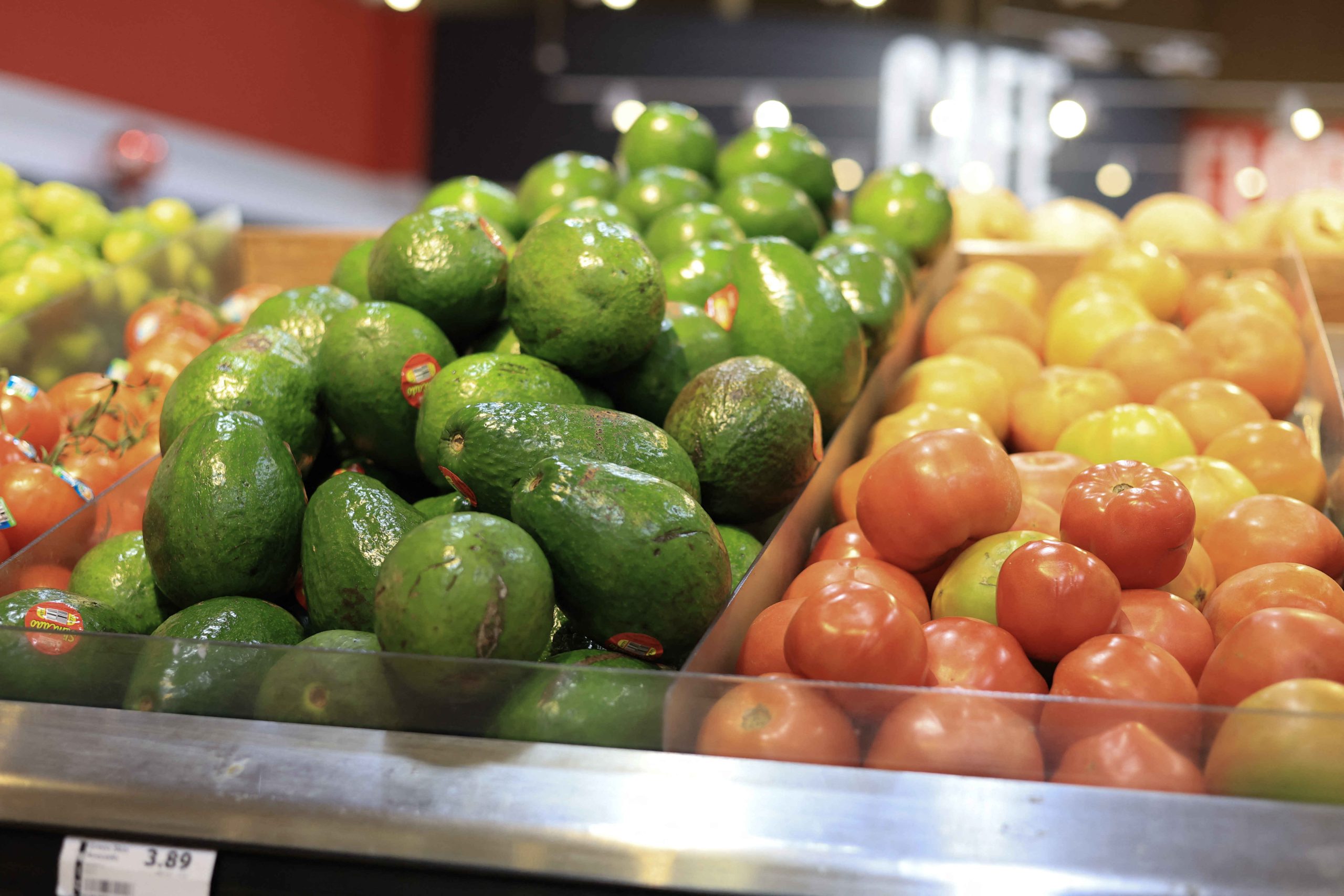
The results, published this week, are staggering. Experimental batches of tomatoes and bell peppers—two of the most climate-sensitive crops—were able to maintain their nutritional profile and flavor despite being grown in soil with 30% less water and temperatures 10 degrees higher than their natural limit.
Perhaps most importantly for the consumer, the scientists have prioritized flavor and texture. “Nobody wants a climate-resilient apple if it tastes like cardboard,” Rodriguez jokes. “The goal is a ‘future-proof’ Honeycrisp that still snaps when you bite into it.”
Economic security in every seed.
The implications for the U.S. economy are profound. Supply chain disruptions during the early 2020s proved how fragile the global food network can be. By creating crops that can grow in a wider variety of domestic climates, the U.S. can reduce its reliance on long-haul imports and volatile foreign markets.
For the American farmer, this is a potential lifeline. Small-scale growers in the Midwest, who have seen their corn and soy yields fluctuate wildly, may soon have the opportunity to diversify into high-value produce that was previously restricted to warmer coastal regions.
“This is about sovereignty,” says Marcus Thorne, a third-generation farmer who consulted on the project. “If I can grow a drought-resistant berry in Kansas, that’s a win for my family and a win for the kid in Chicago who needs fresh fruit.”
The road to the grocery aisle
While the lab results are a cause for celebration, the transition to the supermarket shelf won’t happen overnight. The next phase involves large-scale field trials across three different climate zones: the arid Southwest, the humid Southeast, and the variable Northeast.
Skeptics point to the high cost of the initial seed technology and the potential for “biological monopolies” if the patents are held by a few large corporations. However, the research team has pledged to work with land-grant universities to ensure the technology remains accessible to independent growers.
A reason for optimism
In an era dominated by “climate anxiety,” the “Future-Proofing” initiative offers a rare narrative of human ingenuity. It suggests that while we may not be able to stop the thermometer from rising immediately, we are not helpless in the face of change.
As the sun sets over the test fields in Missouri, the green shoots of “Version 2.0” tomatoes stand tall against a blistering wind. They are a living testament to the idea that the American spirit of innovation doesn’t just build rockets and software—it can also grow a better, more resilient dinner.