
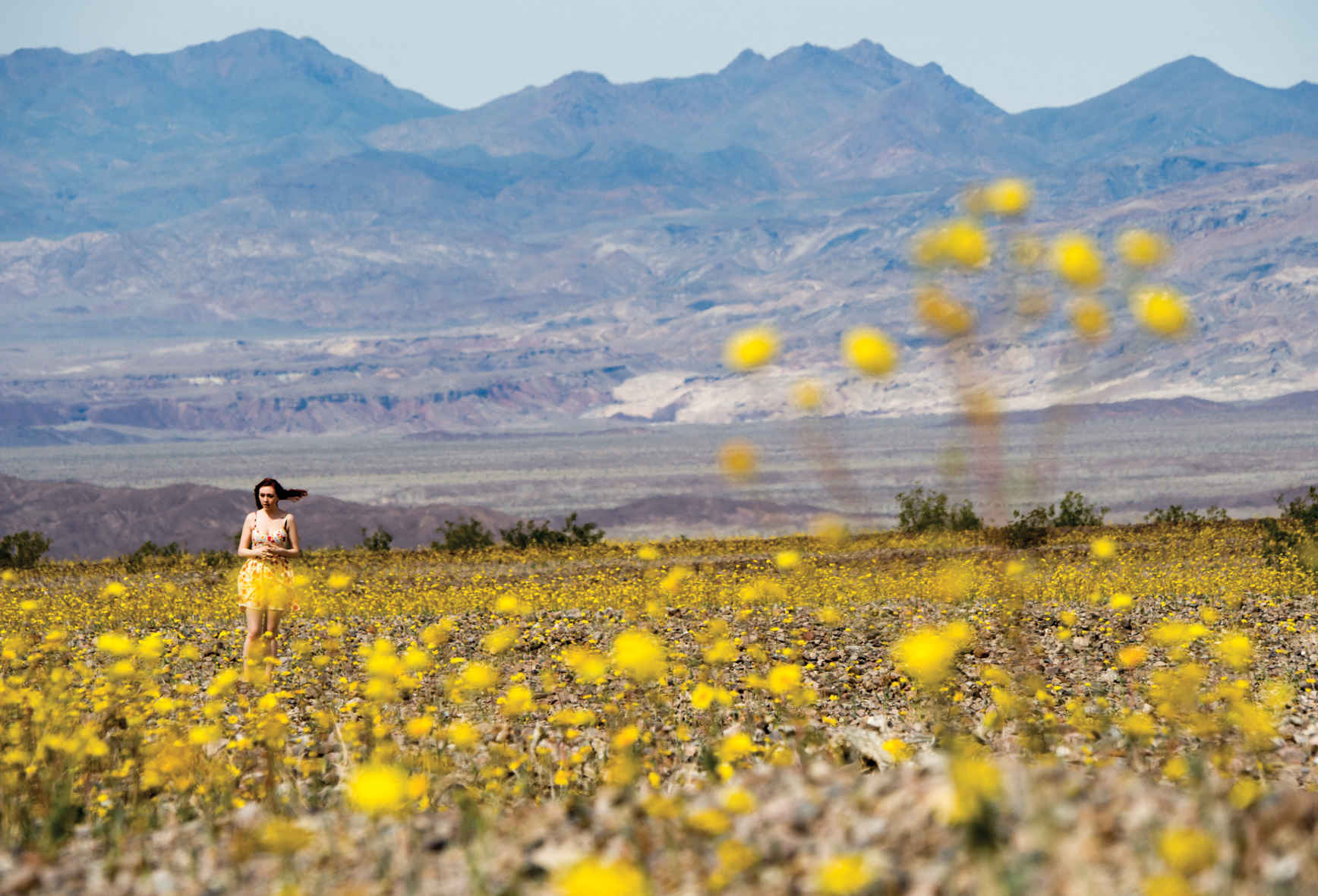




PHOENIX, AZ – After one of the wettest autumns in over a century, Arizona’s desert floors began their 2026 transformation earlier than anyone anticipated. What started as an unusually green landscape in December has evolved into a complex, “muddled” wildflower season. While some regions are teasing “above-average” displays, an early March heatwave is currently threatening the longevity of the blooms, creating a sense of urgency for “petal peepers” across the state.
A season of high expectations
The stage for a potential “superbloom” was set by record-breaking rainfall in late 2025. This autumn moisture is the critical first hurdle for germinating spring annuals like Mexican gold poppies and lupines. By mid-January 2026, the first sightings of color were reported—weeks ahead of the traditional late-February start.
Experts from Arizona State Parks and local trackers initially predicted a “robust” season. However, as of March 2026, the consensus among park rangers is one of cautious observation. While not quite reaching the “once-in-a-decade” intensity of the 2023 superbloom, 2026 is trending as significantly better than the “virtually nonexistent” season of the previous year.
Where the color is popping
For those looking to catch the 2026 display, success depends heavily on elevation and recent localized weather:
Bartlett Lake & Tonto National Forest: This has been a consistent hotspot this year. Wildflowers came early to Bartlett Lake, with North Lake Road showcasing hearty collections of white poppies and lupines as early as February.
Lost Dutchman & the Superstitions: While perennials like brittlebush and chuparosa are showy, rangers at Lost Dutchman State Park warn that annual poppies may be scarcer here than in previous years.
Catalina State Park: Located near Oro Valley, the Sutherland Trail is currently a top recommendation, offering a mix of poppies, lupines, and desert chicory.
Picacho Peak State Park: Known for its golden slopes, Picacho Peak received over four inches of rain between September and January. However, recent mid-80-degree temperatures have begun to dry out the fragile poppy petals, leading rangers to warn of a potentially shortened window for peak viewing.
The Heat Challenge
The primary antagonist of the 2026 season is the early arrival of high temperatures. In early March, temperatures in the mid-80s were reported at lower elevations, which can “kill” fragile annuals before they reach full maturity. “The poppies are very fragile; those large petals just dry out,” noted Noah Atterbury, a ranger at Picacho Peak.
Despite the lower-elevation heat, hope remains for higher altitudes. As the season progresses through March and April, the bloom is expected to migrate to higher, cooler elevations, with some displays continuing into May near Flagstaff and the Mogollon Rim.
Responsible Viewing
With visitation expected to spike, authorities are reminding the public of the “Leave No Trace” principles. Staying on designated trails is essential to protect the “Bloomdar”—the delicate soil crust that holds dormant seeds for future years.
“Any flower plucked from the ground means fewer seeds for future generations,” park ecologists cautioned, reminding visitors that picking wildflowers remains strictly prohibited.
As the desert enters its peak weeks, the 2026 season stands as a vivid, if fleeting, reminder of the desert’s “dormant abundance”—a landscape that, given just enough rain and the right timing, can still surprise even the most seasoned observers.