





By Oregon News Service
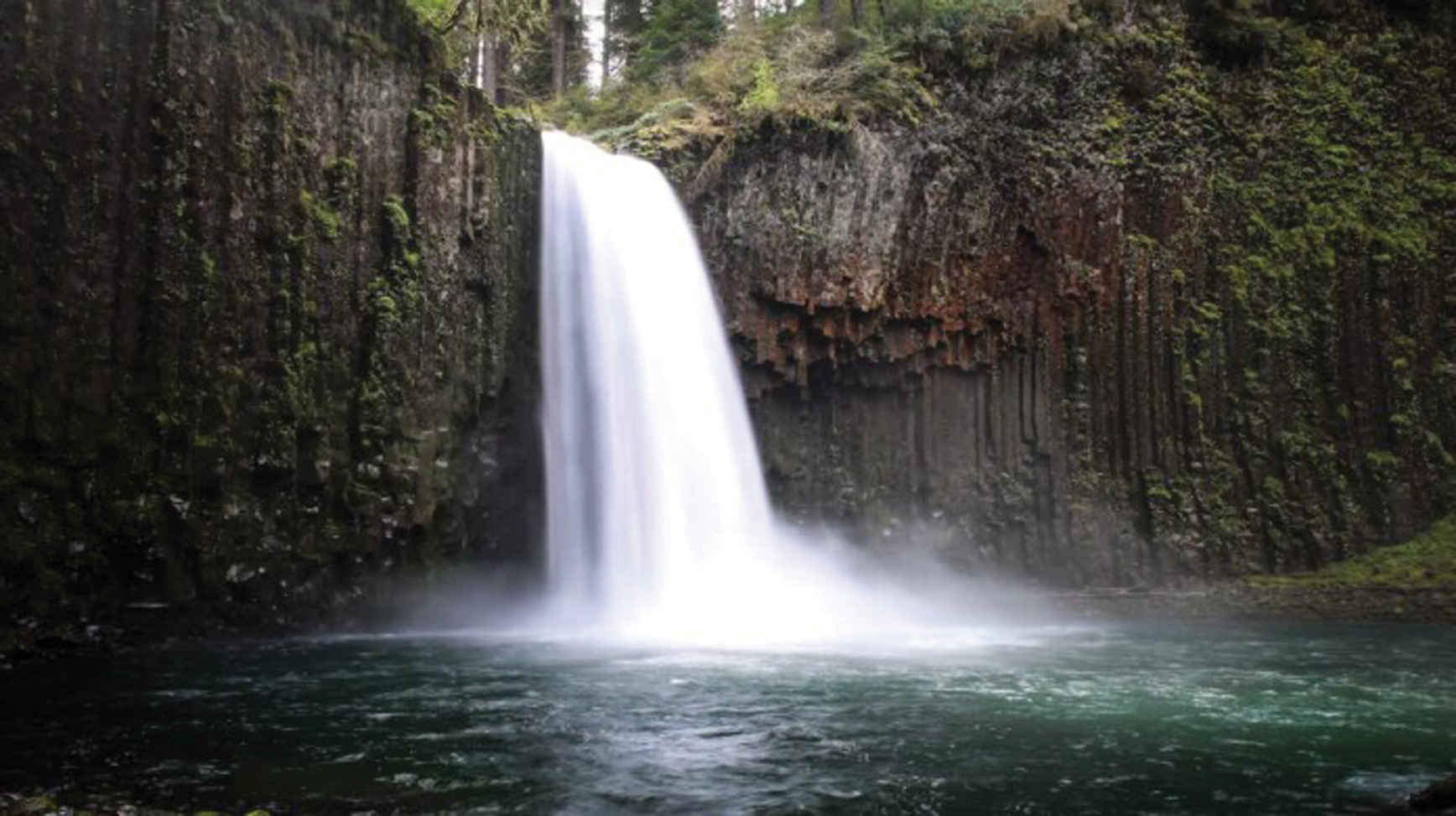
SALEM — In a race against private development and the ticking clock of the legislative session, Oregon lawmakers have finalized a historic $2.1 million agreement to purchase Abiqua Falls, ensuring that one of the state’s most iconic natural cathedrals remains open to the public forever.
The deal, cemented this week through the passage of Senate Bill 5701, marks the end of over a century of private ownership by the Abbey Foundation of Oregon. For generations, the 92-foot waterfall—famed for its perfect hexagonal basalt columns—existed in a precarious state of “permitted trespassing.” That era officially ended as the state moved to acquire nearly 200 acres of rugged canyon land.
A Rare Bipartisan Victory
The acquisition was fueled by an unusual alliance between Senator Fred Girod (R-Lyons) and House Majority Leader Ben Bowman (D-Tigard). “This is a world-class site,” Girod stated during the budget hearings. “If we didn’t act now, we risked seeing ‘No Trespassing’ signs go up on a piece of Oregon’s soul.”
The $2.1 million price tag covers two distinct parcels:
The Crown Jewel: $600,000 for the 40-acre tract containing the falls, held by the Abbey Foundation.
The Buffer: $1.4 million for 160 surrounding acres owned by timber giant Weyerhaeuser, intended to protect the watershed and providing a “recreational buffer” for the new park.
From “Secret Spot” to State Responsibility
While the purchase is a victory for hikers, it presents a logistical mountain for the Oregon Parks and Recreation Department (OPRD). Abiqua is notorious for its “vehicle-eating” access road and a trail so steep it requires a series of knotted ropes to navigate.
Local emergency responders have long voiced concerns over the site’s surge in popularity on social media. “We’ve seen a massive increase in rescues and stuck vehicles,” said one Marion County official. Under state management, the OPRD is expected to evaluate infrastructure upgrades, including formalizing the trailhead and potentially improving the logging road that currently requires high-clearance 4WD.
Preserving the “Wild” in Wild Oregon
Despite the transition to state control, officials are wary of over-developing the site. The goal is to maintain the “wild character” of the Santiam Canyon. Unlike the paved paths of nearby Silver Falls State Park, Abiqua is expected to remain a “primitive-access” site, preserving the sense of discovery that has defined the trek for decades.
“We aren’t just buying land; we’re buying a legacy,” said Bowman. “In fifty years, Oregonians won’t care about the budget line item—they’ll care that they can still stand at the base of those basalt pillars and feel the mist.”
The transition of the deed is expected to be completed by the end of the 2026 fiscal year. Until then, the Abbey Foundation has requested that visitors continue to respect the land and “leave no trace” as the state prepares to take the helm.