

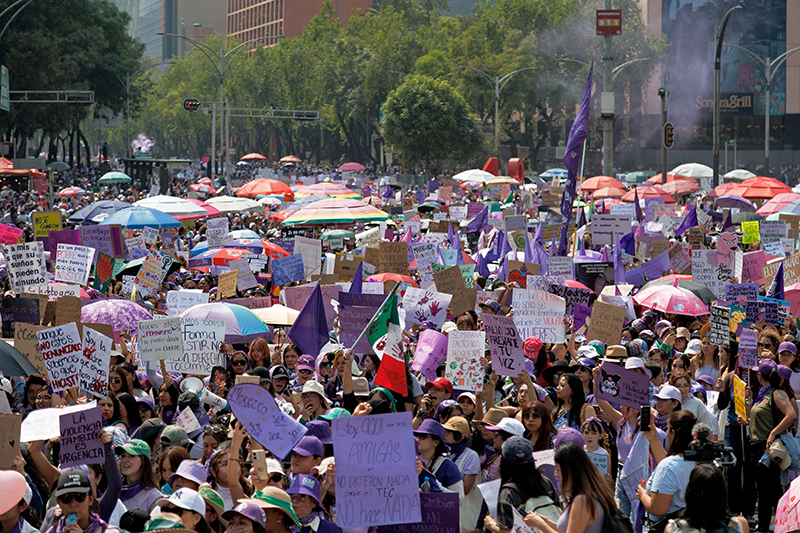




As the sun rises this March 8, shop windows are awash in purple ribbons and florists are bracing for a surge in sales. But beneath the surface-level celebrations of International Women’s Day (IWD), a deeper conversation is brewing—one that shifts the focus from symbolic gestures to systemic change. This year’s global theme, “Give to Gain,” serves as a poignant reminder that investing in women is not just a moral imperative, but a catalyst for universal growth and resilience.
A History Written in Defiance
While today’s IWD often feels like a hybrid of Mother’s Day and Valentine’s Day, its origins are far more radical. The seeds were planted in 1908, when 15,000 women marched through New York City demanding shorter hours, better pay, and the right to vote. It was later formalized by a wartime strike in 1917, where Russian women demanded “bread and peace,” eventually leading to the Tsar’s abdication and the granting of women’s suffrage.
Today, the day serves as an official holiday in dozens of countries—from Afghanistan and Ukraine to Zambia and Cuba—honoring the social, economic, and political achievements of women worldwide.
The Progress Paradox
We live in an era where women have reached the stars as astronauts and led nations as prime ministers. In many regions, girls are entering universities at higher rates than ever before. Yet, the “gender paradox” remains stark.
Take the technology sector: while women make up roughly 40% of the workforce, they remain significantly underrepresented in high-impact leadership roles. Globally, women are still paid less than their male counterparts for the same work and continue to face barriers in accessing education and healthcare.
Furthermore, the digital divide is emerging as a new frontier for inequality. UN Women reports that women make up only 22% of artificial intelligence workers, and nearly half of AI systems demonstrate measurable gender bias.
Empowerment as a Global Solution
Empowerment is often defined through five pillars: self-worth, the right to choose, access to opportunities, control over one’s life, and the ability to influence social change. When these pillars are supported, the benefits ripple outward. Evidence shows that ensuring equal access to resources for women farmers could significantly reduce global hunger and poverty.
“When women thrive, communities and nations are stronger,” notes one educational report on the day’s significance. This is not just a sentiment; it is a socio-economic reality. Education remains the most potent tool in this fight; when a girl is educated, the likelihood of early marriage and poverty decreases, while the economic potential of her entire community rises.
The Call to Action
International Women’s Day 2026 is more than a date on a calendar; it is a call to “Accelerate Action.” It asks us to look at the “broken rungs” of the corporate ladder and the “locked libraries” where education is still denied due to political or religious edicts.
As we wear our purple—a color long associated with the suffragette movement and empowerment—the challenge remains: how do we move beyond the twenty-four hours of March 8?
The answer lies in everyday advocacy. It involves men playing a critical role in recalibrating gender norms and society collectively refusing to accept “good enough” when it comes to equality.
Today, we celebrate the mothers, sisters, teachers, and leaders who shape our lives. But tomorrow, the work continues to ensure that the “courage that speaks to courage” on banners in London or streets in Kabul is met with the policy changes and cultural shifts necessary to finally close the gap.