

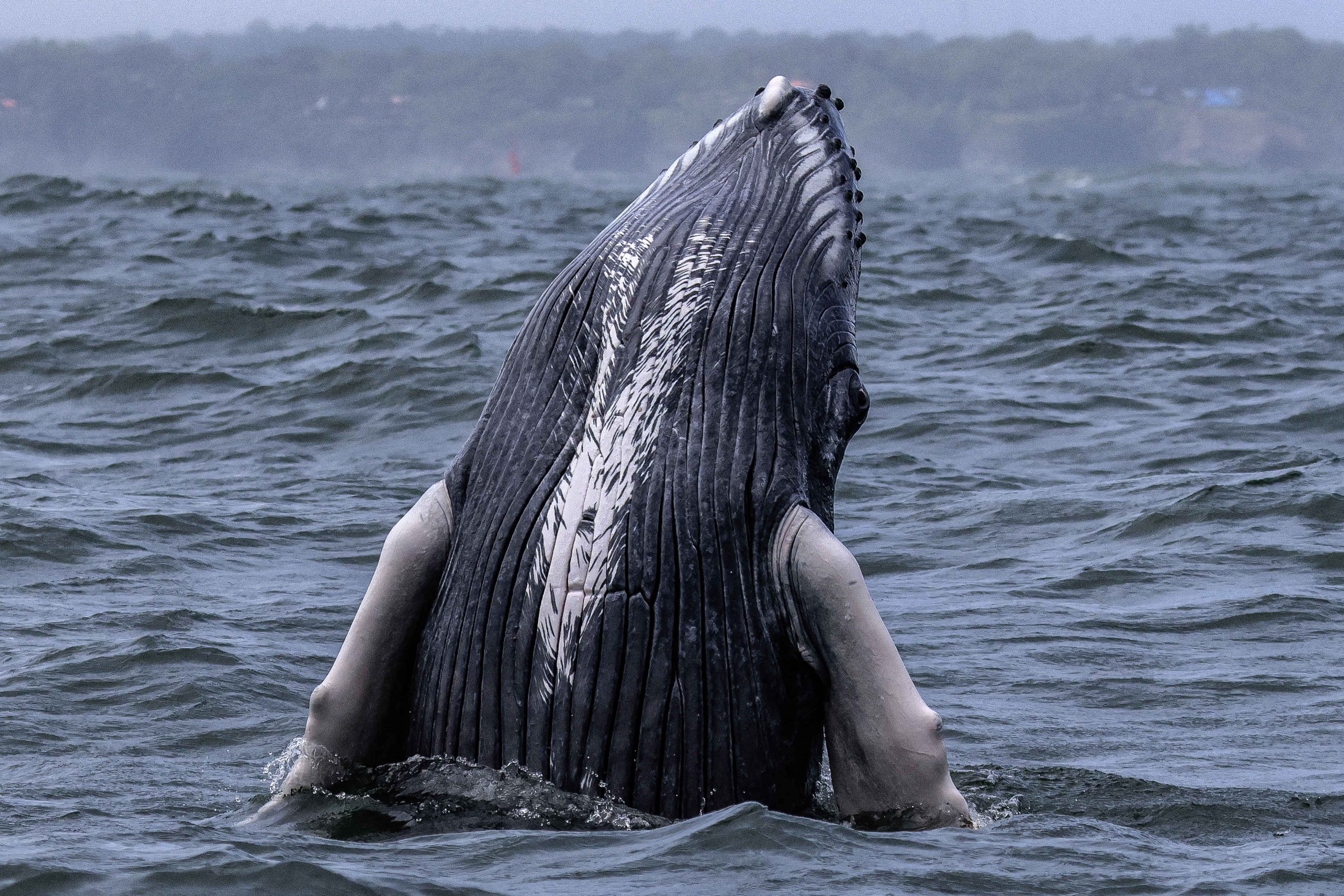




In a beautiful testament to the power of experience, new research has revealed that for humpback whales, age is much more than just a number—it is a competitive edge. A groundbreaking study published in Current Biology on February 27, 2026, shows that as humpback populations continue their inspiring recovery from the brink of extinction, older male whales are becoming the most successful “suitors” in the ocean.
The Art of the Song
For decades, scientists have been captivated by the complex, haunting melodies of male humpbacks. It turns out these songs are not just innate; they are a refined art form. Researchers from the University of St Andrews found that older males—those roughly 16 years and older—have mastered the “gentle croon” and intricate structures of their mating calls.
This mastery gives them a significant advantage over their younger, less experienced rivals. While younger whales may have the energy, the veterans have the technique, allowing them to better refine their singing and competitive tactics to attract mates.
A Growing, Selective Community
The study, which analyzed nearly 20 years of data from the waters of New Caledonia, highlights a fascinating shift in whale society:
Selective Females: As populations rebound, female whales have become more discerning. They increasingly favor males with the strongest performances and most complex displays, which usually belong to the more mature bulls.
Shift in Paternity: In the early years of recovery, the population was dominated by younger males. Now, with a more balanced age distribution, older individuals are more likely to father calves than ever before.
Strategic Success: Beyond singing, older males are more adept at “escorting”—a behavior where they swim closely with a female to protect their chance to mate.
A Legacy of Resilience
This shift is a direct result of the global ban on commercial whaling. “It is only now, as whale populations recover… that we are beginning to understand how far-reaching the consequences of whaling truly are,” says Dr. Franca Eichenberger, lead author of the study.
The return of these “wise elders” to the breeding grounds is a signal of a stabilizing, healthy ecosystem. It proves that when given the chance, nature doesn’t just survive—it evolves, allowing the wisdom of the older generation to lead the way into the future.