

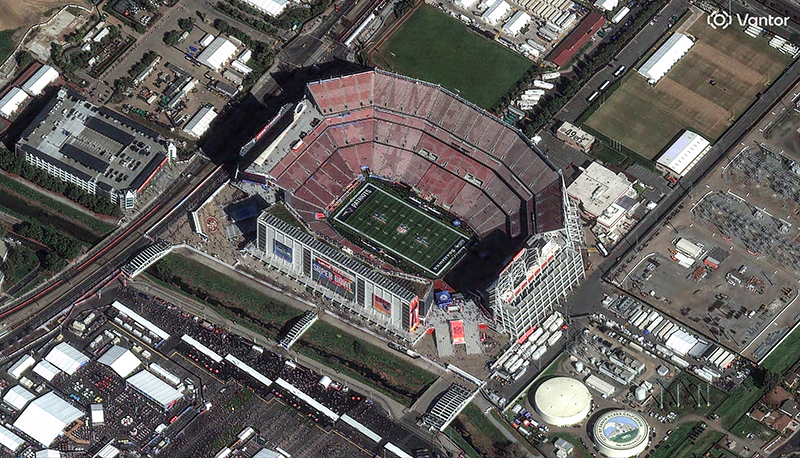



In a significant victory for the environment, the NFL and its partners successfully transformed Super Bowl LX (2026) into one of the most sustainable sporting events in history. Hosted at the LEED Gold-certified Levi’s Stadium in Santa Clara, the league’s “NFL Green” initiative targeted a “zero-waste” diversion rate of 90% or more, effectively turning nearly 60 tons of potential trash into reusable resources.
A New Game Plan for Waste Reduction
The 2026 championship served as a massive testing ground for cutting-edge sustainability technologies aimed at reducing single-use plastics and contamination:
AI-Powered Sorting: Interactive “Oscar Sort” units used artificial intelligence to help fans properly dispose of items. By holding an item up to a camera, fans received instant guidance on whether it belonged in recycling, compost, or landfill bins, significantly reducing the contamination that often ruins recycling efforts.
Mass Reusable Cup Program: Building on a season-long pilot that prevented over 32,000 plastic cups from entering landfills, the NFL expanded its reusable cup initiative to cover more than 4,000 seats. These durable cups were collected, sanitized, and returned to the system for future use.
Compostable Stadium Ware: In collaboration with partners like Aramark, nearly all single-use food service items—including nacho trays, beer cups, and straws—were converted to compostable materials.
Leaving a “Green Legacy” in the Bay Area
The impact of Super Bowl LX extends far beyond the final whistle of the Seattle Seahawks’ 29–13 victory over the New England Patriots. The league’s “Green Legacy” program ensures materials used for the one-day event find permanent homes in the community:
Food and Material Donations: The NFL partnered with over 30 local organizations, including schools and food banks, to repurpose items used during the game. Donations of surplus food and building materials were expected to match or exceed the $800,000 value seen in 2025.
Infrastructure Repurposing: Temporary infrastructure such as fencing, banners, and carpeting was collected by the NFL Green team for donation. For instance, the Santa Clara Unified School District planned to repurpose these materials for park maintenance and arts projects.
Coastal and Urban Greening: Following the 2025 model in New Orleans—where 50 tons of oyster shells were used for artificial reefs and glass was processed into sand for coastal restoration—the 2026 event prioritized urban reforestation and native tree planting across the Bay Area.
Super Bowl Waste Diversion Milestones
The NFL has been refining its sustainability playbook for over 30 years, consistently breaking records for resource recovery.
Event
Diversion Rate
Key Sustainability Achievement
Super Bowl LII (2018)
91%
First Super Bowl to reach the 90% zero-waste threshold.
Super Bowl LVII (2023)
92.6%
Record-setting diversion rate for a championship game.
Super Bowl LVIII (2024)
90%+
12,000 lbs of food waste donated to local livestock farms.
Super Bowl LIX (2025)
90%+
Recovered 250 tons of material; delivered a Net Zero Energy event.
Super Bowl LX (2026)
90%+ (Projected)
Full-scale implementation of AI sorting and reusable packaging.
By integrating sustainability into every aspect of the game—from the food fans eat to the bins they use—the NFL is proving that America’s most-watched sporting event can be a powerful catalyst for a cleaner future.