

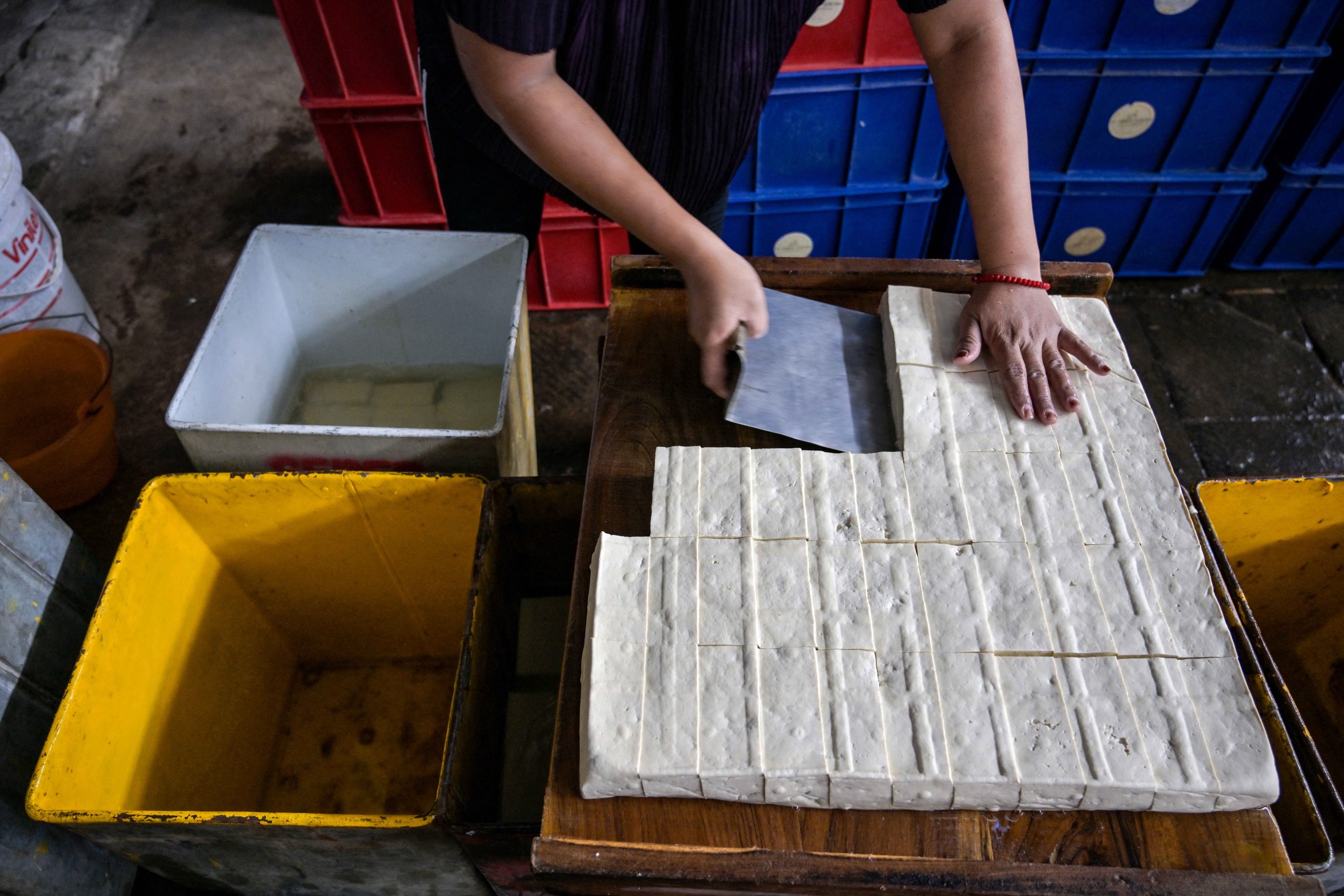



Scientists from the City University of Hong Kong and Southern University of Science and Technology have unveiled a groundbreaking “tofu-brine” battery that could revolutionize the global energy storage landscape. This innovative aqueous (water-based) battery uses an electrolyte so safe it is comparable to the mineral-rich brine used to coagulate tofu, offering a non-toxic and fireproof alternative to traditional lithium-ion systems.
A Leap in Longevity and Safety
The most striking feature of the tofu-brine battery is its incredible durability. While standard lithium-ion batteries typically degrade after 1,000 to 3,000 charge cycles, this new prototype has demonstrated the ability to withstand over 120,000 cycles with minimal performance loss. In practical terms, this could allow a single battery to last for decades, significantly reducing the environmental impact of frequent battery replacements.
Safety remains a paramount concern for modern electronics, especially given the flammability risks associated with lithium. Because the tofu-brine battery operates under neutral pH conditions and uses a water-based electrolyte, it is inherently non-flammable and fireproof. It eliminates the risk of “thermal runaway,” making it safe to touch and operate even in extreme environments.
Environmental and Geopolitical Impact
The shift toward sustainable energy often hits a roadblock with the environmental cost of mining lithium and cobalt. The tofu-brine technology relies on abundant, less-hazardous materials like magnesium chloride or calcium chloride—common minerals found in soil and used in food production. This means the batteries are environmentally benign and can be discarded without the specialized hazardous waste processing required for lithium cells.
Beyond ecology, the technology has massive geopolitical implications. Currently, the global battery supply chain is heavily dominated by specific mining regions. By utilizing common minerals instead of rare-earth elements, nations could potentially develop domestic battery manufacturing more easily, diversifying the market and enhancing global energy resilience.
Future Applications: From Grids to EVs
While the technology is currently in the research phase, its potential applications are vast:
Grid-Scale Storage: Its 120,000-cycle lifespan makes it ideal for balancing solar and wind farms, which require frequent, heavy-duty cycling to store energy for night use.
Electric Vehicles (EVs): With improved energy density, these batteries could provide a safer, lifelong power source for cars that may never need a battery swap during their entire operational life.
Consumer Electronics: Imagine smartphones or laptops with batteries that outlast the device itself, ending the era of “planned obsolescence” driven by battery failure.
The “tofu-brine” battery represents a critical step toward a cleaner, safer energy future, proving that the solutions to our most complex technological challenges can sometimes be found in the most humble ingredients. By merging culinary chemistry with advanced physics, scientists are paving the way for a world where energy storage is as safe and sustainable as the food on our tables.