

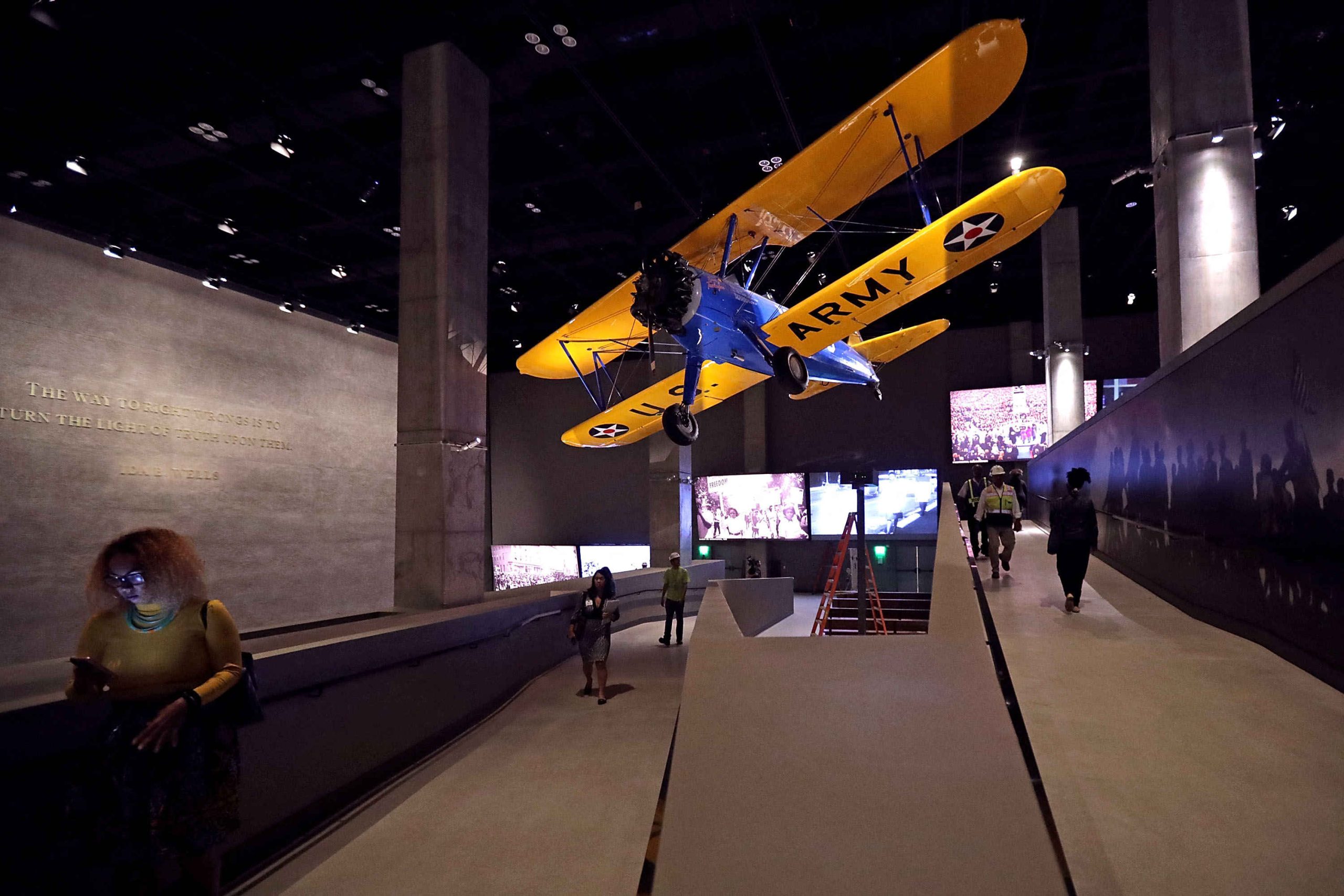




TUSKEGEE, AL — In a poignant convergence of past and future, the historic grounds of Moton Field are once again echoing with the roar of aircraft engines, signaling a new chapter for American aviation. Over 80 years after the original Tuskegee Airmen shattered racial barriers during World War II, a fresh generation of pilots is taking to the skies, fueled by a multi-million dollar revival of flight training at Tuskegee University.
A Legacy Relaunched
The university recently celebrated the relaunch of its Aviation Science program, bolstered by more than $12 million in federal funding secured between 2025 and 2026. The initiative aims to address a critical national pilot shortage while honoring the “Red Tail” legacy that began in 1941 when the 99th Pursuit Squadron became the first unit of Black pilots in the U.S. military.
“Tuskegee’s place in aviation history just started another chapter,” said Joe Turnham, Director of the Macon County Economic Development Authority, noting that the program is expected to create dozens of high-paying jobs in the region.
Breaking New Ground: The First of Many
Among the rising stars is Kembriah Parker, a 20-year-old student who recently became the first woman in the program’s inaugural class to earn her pilot’s license. Her achievement carries significant weight; while Black women served in vital support roles for the original Tuskegee Airmen, they were not permitted to fly in combat.
“There were Tuskegee women working but not flying,” Parker told NBC News, “so it feels pretty good to be doing the flying”.
The program, a partnership with LIFT Academy, allows students to earn a Bachelor of Science in Aviation Science alongside a commercial multi-engine pilot license in as little as three years. Students train on a fleet of advanced Diamond DA40 and DA42 aircraft, bridging the gap between the legendary P-51 Mustangs of the past and the high-tech cockpits of today.
Honoring the “Red Tails”
The impact of the Tuskegee legacy extends far beyond the university gates. The U.S. Air Force continues to integrate this history into its core identity. Even as recent policy shifts led to the review of certain federal training materials, the Air Force clarified that the history of the Tuskegee Airmen and the Women Airforce Service Pilots (WASPs) remains a non-negotiable pillar of military education.
Defense Secretary Pete Hegseth reaffirmed this commitment, stating that any move to diminish this heritage was “immediately reversed,” ensuring that the “documented historic legacy and decorated valor” of these units continue to inspire new recruits.
Further cementing this bond, the military’s newest advanced trainer, the T-7A Red Hawk, was specifically named to pay homage to the “Red Tails”. The aircraft’s signature red-painted tail serves as a flying monument to the 992 aviators who flew over 15,000 sorties and earned 96 Distinguished Flying Crosses.
A Global Community of Support
Organizations like Tuskegee Airmen Inc. (TAI) and Tuskegee NEXT are ensuring the pipeline for underrepresented youth remains strong through scholarships and summer flight academies. At the recent 2025 National Convention in New Orleans, original documented airmen—some over 100 years old—met with the teenagers who will soon follow in their flight paths.
For students like Parker and her classmates, the mission is clear: to maintain the standard of excellence set by their predecessors. As they climb into the cockpit at Moton Field, they aren’t just learning to fly; they are carrying the weight of history—and the promise of a more inclusive sky—under their wings.
“We look to the past for inspiration,” said TAI President Jerry Burton, “but keep our focus on future Black aviators”.