





In just two years, McKinney, Texas, has transformed from a city with average cardiac outcomes into a national leader in life-saving emergency response. By February 2026, McKinney’s out-of-hospital cardiac arrest (OHCA) survival rate skyrocketed from 10% to 47%, nearly matching Seattle’s world-leading 50% survival rate and far exceeding the U.S. national average of approximately 30%.
This “comeback” is the result of a radical “Chain of Survival” strategy that bridges the gap between a call to emergency services and the arrival of paramedics.
Beating the Clock: The Four-Minute Initiative
The core of McKinney’s success is the “4-Minute City” model. Research shows that for every minute a cardiac arrest victim goes without chest compressions or a shock, their chance of survival drops by 10%. To beat this clock, the city implemented three key pillars:
Mobile AED Deployment: The McKinney Police Department (MPD) partnered with the fire department to equip all patrol, traffic, and neighborhood police vehicles with smart automated external defibrillators (AEDs). Because officers are often already on the road, their “go-time” is seconds, frequently allowing them to arrive and deliver a shock before fire engines.
Neighborhood Heroes: The city is expanding its AED network to citizens through the Neighborhood Heroes campaign. This program places cellular-connected AEDs in the hands of trained residents, with the goal of having a device within four minutes of any location in the city.
The GoodSAM App: Launched in late 2024, the GoodSAM app uses GPS technology to alert CPR-trained volunteers within a few hundred yards of a cardiac emergency. This allows bystanders to begin life-saving interventions before sirens are even heard.
Systemic Efficiency and Rapid Dispatch
Beyond community involvement, McKinney overhauled its internal logistics. The city implemented the “Quick Drop” system, which streamlined how dispatchers classify cardiac distress calls. This change helped reduce average cardiac arrest dispatch times from roughly two minutes to under 60 seconds.
Local Impact and Recognition
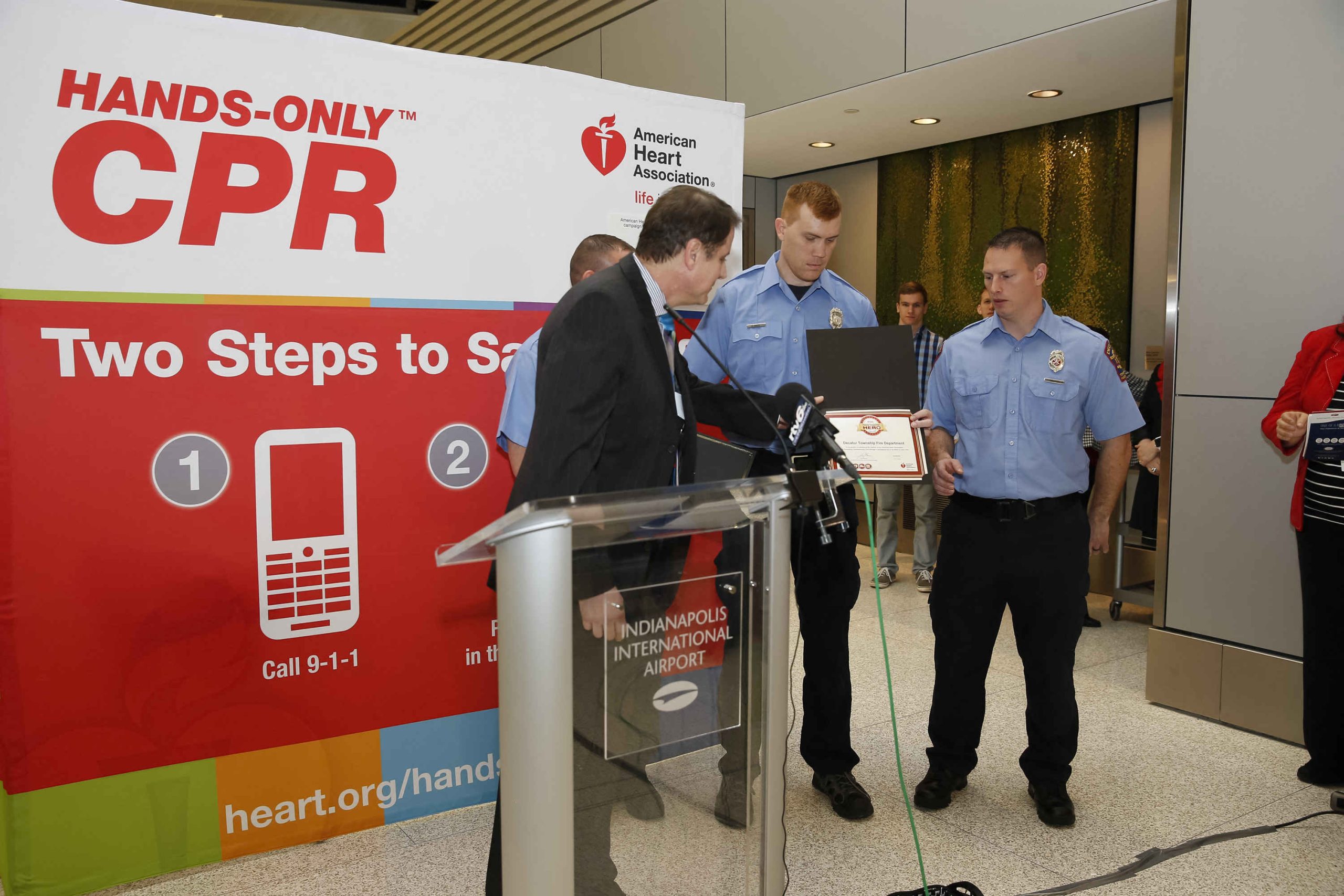
The results of this cultural shift are tangible. In the past year alone, nine McKinney residents were successfully revived due to these new protocols. Notably, the American Heart Association selected McKinney’s model to lead its national Heart Health Month campaign in February 2026, highlighting the city as a blueprint for community-based resuscitation.
Local medical institutions like Baylor Scott & White Medical Center – McKinney and Medical City McKinney have further bolstered these efforts by providing advanced post-arrest care, ensuring that survivors who make it to the hospital have the best possible neurological outcomes.