

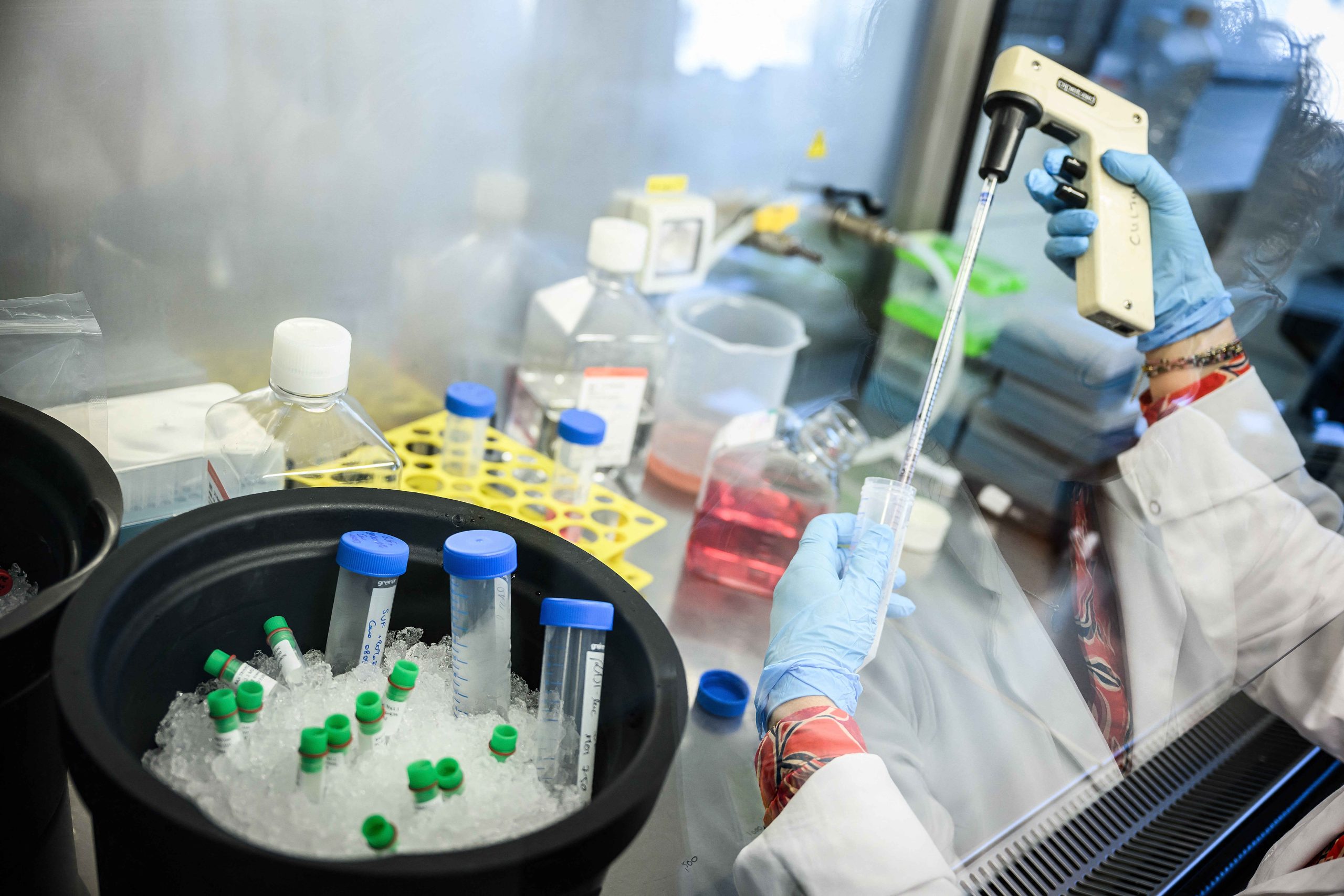




For decades, a cancer diagnosis was often viewed as a definitive period at the end of a sentence. However, recent data suggests that the medical community has reached a transformative milestone. According to the American Cancer Society (ACS) report, Cancer Statistics, 2026, the five-year relative survival rate for all cancers combined in the United States has officially reached 70% for patients diagnosed between 2015 and 2021. This is a staggering increase from the mid-1970s, when the survival rate hovered at just 49%.
This “stunning victory” is not the result of a single breakthrough but rather the convergence of three powerful forces: a dramatic decline in tobacco use, the precision of early detection, and a new generation of targeted and immunotherapies that have turned many once-fatal diseases into manageable chronic conditions.
The Triple Engine of Progress
The decline in mortality and the rise in survival are driven by what experts call a “triple engine” of progress.
Reduced Tobacco Use: Since the 1960s, the proportion of active smokers in the U.S. has plummeted from 44% to roughly 11%. Because smoking is the leading cause of preventable cancer deaths, this shift has had the single largest impact on overall survival trends, particularly in lung cancer.
Early Detection and Screening: Finding cancer before symptoms appear is critical. Today, five-year survival for localized breast cancer is 99%, compared to only 28% if it has spread. Advancements in low-dose CT scans for lung cancer and regular colonoscopies have allowed clinicians to catch malignancies at Stage I or II, where cure rates are significantly higher.
Treatment Revolutions: For advanced-stage cancers that have already spread, new therapies are doubling and even tripling survival times. Innovative treatments like CAR T-cell therapy and immune checkpoint inhibitors (ICIs) are “taking the invisible cloak off” cancer cells, allowing the patient’s own immune system to recognize and destroy them.
Breaking Records in Aggressive Cancers
The most encouraging news comes from cancers historically considered death sentences. Since the mid-1990s, the five-year survival rate for myeloma has doubled, jumping from 32% to 62%. Liver cancer survival has tripled from 7% to 22%, and melanoma has seen similar gains.
Perhaps most notably, lung cancer—the leading cause of cancer deaths—is seeing a rapid shift. For patients with regional-stage lung cancer, survival has increased from 20% to 37%. Even for metastatic (Stage IV) lung cancer, which had a 2% survival rate in the 1990s, the rate has increased fivefold to 10% thanks to personalized targeted therapies.
The Role of Technology and AI
The next frontier of survival gains is being paved by Artificial Intelligence (AI) and Multicancer Early Detection (MCED) tests. AI is now used to assist radiologists in reading mammograms and tracking lung nodules, potentially reducing later-stage cancer diagnoses by 12%.
Meanwhile, MCED tests—often called “liquid biopsies”—aim to detect multiple types of cancer through a single blood draw. Simulations suggest that widespread use of these tests could lead to a 45% decrease in Stage IV diagnoses across 14 major cancer types, effectively “shifting” the diagnosis to an earlier, more treatable stage.
The Challenges of Success: The “Survivor Surge”
While the rise in survival is a triumph, it brings new challenges. By 2030, the U.S. is expected to have 25 million cancer survivors. This growing population requires a shift in healthcare focus toward “survivorship,” which includes managing long-term side effects, mental health services, and the financial toxicity of prolonged treatment.
Furthermore, significant disparities persist. Despite overall progress, Native American and Black populations still experience higher mortality rates for several cancers due to socioeconomic barriers and unequal access to the latest breakthroughs.
A More Hopeful Future
The fight against cancer has reached a major turning point. As Rebecca Siegel, lead author of the 2026 ACS report, noted, the medical tools now available have turned many cancers from a “death sentence into a chronic disease”. With the integration of AI, the rise of personalized mRNA vaccines, and continued reductions in tobacco use, the goal of a world where cancer is a manageable—or even preventable—condition is closer than ever.