




Etnia Nativa: Your peek into Native magic, healing the spirit.
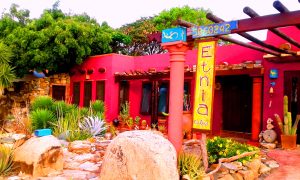
Article by Etnia Nativa call us 592 2702 and book your experience!
The articles written by Etnia Nativa focus on the recovery and preservation of Aruba’s authentic cultural identity and unique heritage. Each one revives the ancestral wisdom of the island’s first inhabitants—knowledge passed down through generations, including survival skills, the use of medicinal plants, practical crafts, astronomical navigation, and the interpretation of weather patterns. These traditions continue to shape Aruba’s cultural identity and affirm the enduring bond between the island, its people, and the land.
In this episode, Etnia Nativa turns its attention to an often-overlooked aspect of Aruba’s natural world: the native pigeons and doves that share the island’s skies and landscapes.
Aruba’s sunlit horizons and semi-arid terrain, dotted with cacti and thorny scrub, are not only a paradise for beachgoers but also home to a modest yet fascinating variety of pigeons and doves from the Columbidae family. While the island does not host hundreds of permanent bird species, those that do thrive here tell compelling stories of adaptation, coexistence with humans, and Caribbean biodiversity.
Though frequently overlooked, these birds play an important ecological role. They help disperse seeds, support local food chains, and contribute to the rich tapestry of Caribbean birdlife. For both seasoned birdwatchers and curious visitors, spotting these species—from the swift Bare-Eyed Pigeon to the humble ground doves—offers a glimpse into the natural rhythms of island life.
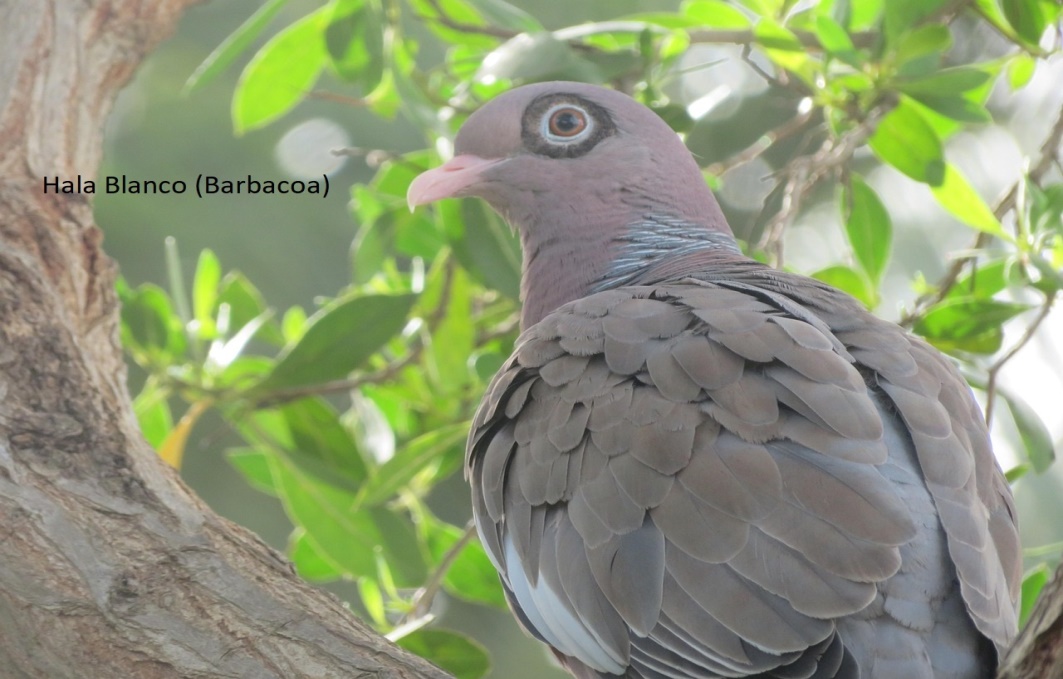
Among Aruba’s most distinctive birds is the Bare-Eyed Pigeon (Patagioenas corensis), locally known as Hala Blanco or Babacoa. This medium-sized pigeon is easily recognized by its striking pale blue eye ring outlined in black, giving it an alert, expressive appearance. Preferring thorn scrub, cactus groves, and mangroves, it feeds on seeds, fruits, and grains. Quick to take flight at the slightest disturbance, the Hala Blanco remains one of Aruba’s most recognizable wild pigeons.
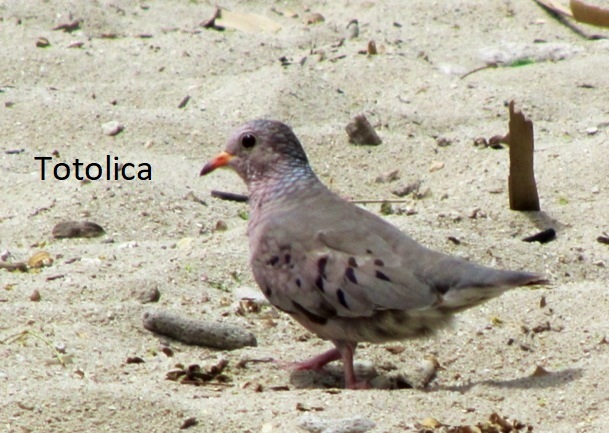
Several dove species are also permanent residents across the island. The Common Ground Dove (Columbina passerina), known locally as Totolica, is small and inconspicuous, often seen basking in the sun or foraging for seeds along the ground. It is widespread in scrubland, coastal areas, parks, and gardens. This species is also found on Curaçao and Bonaire, as well as in Venezuela, where it is known as tortolita—a Spanish term associated with companionship and love.
These native breeding species demonstrate how pigeons and doves have adapted to Aruba’s semi-arid climate, nesting and feeding both in natural environments and near human communities.
No overview of Aruba’s pigeon family would be complete without mentioning an introduced species: the Rock Dove (Columba livia), commonly known as the city pigeon and referred to as flying rats. Originally native to Europe and Asia, it was introduced to Aruba and is now a familiar sight in urban areas. Feeding on grains and food scraps, it has adapted closely to human presence and often a nesting pest on rooftops and buildings.
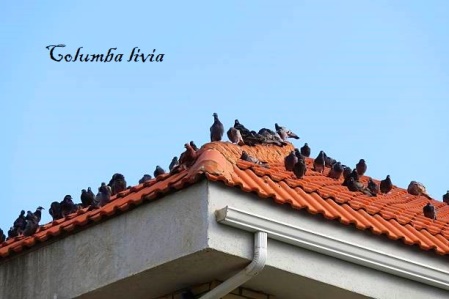
Historical records also mention the Scaly-Naped Pigeon (Patagioenas squamosa), a species once observed on the island. Today, sightings are extremely rare, and it may be locally extinct. Any report of this striking bird is highly valued by birdwatchers.
Other notable residents include the Eared Dove (Zenaida auriculata), or Hala duro a relative of North America’s Mourning Dove, which thrives in open landscapes and agricultural areas, or cunucos. Its soft, rhythmic coos are a familiar sound in the countryside. The White-tipped Dove (Leptotila verreauxi), or Buladeifi slightly shyer in nature, prefers wooded areas and mangroves, where its elegant white tail tips offer a subtle flash of beauty.
Through stories like these, Etnia Nativa reconnects the community with the many layers of Aruba’s history—where indigenous knowledge, colonial change, and oral tradition intersect. It reminds us that the past is still alive in the land, in its wildlife, and in the stories passed from one generation to the next.
Visitors are invited to step beyond the beaches and resorts and engage with the heart and soul of Aruba’s heritage by visiting Etnia Nativa, by appointment only: WhatsApp +297 592 2702 etnianativa03@gmail.com